The two systems
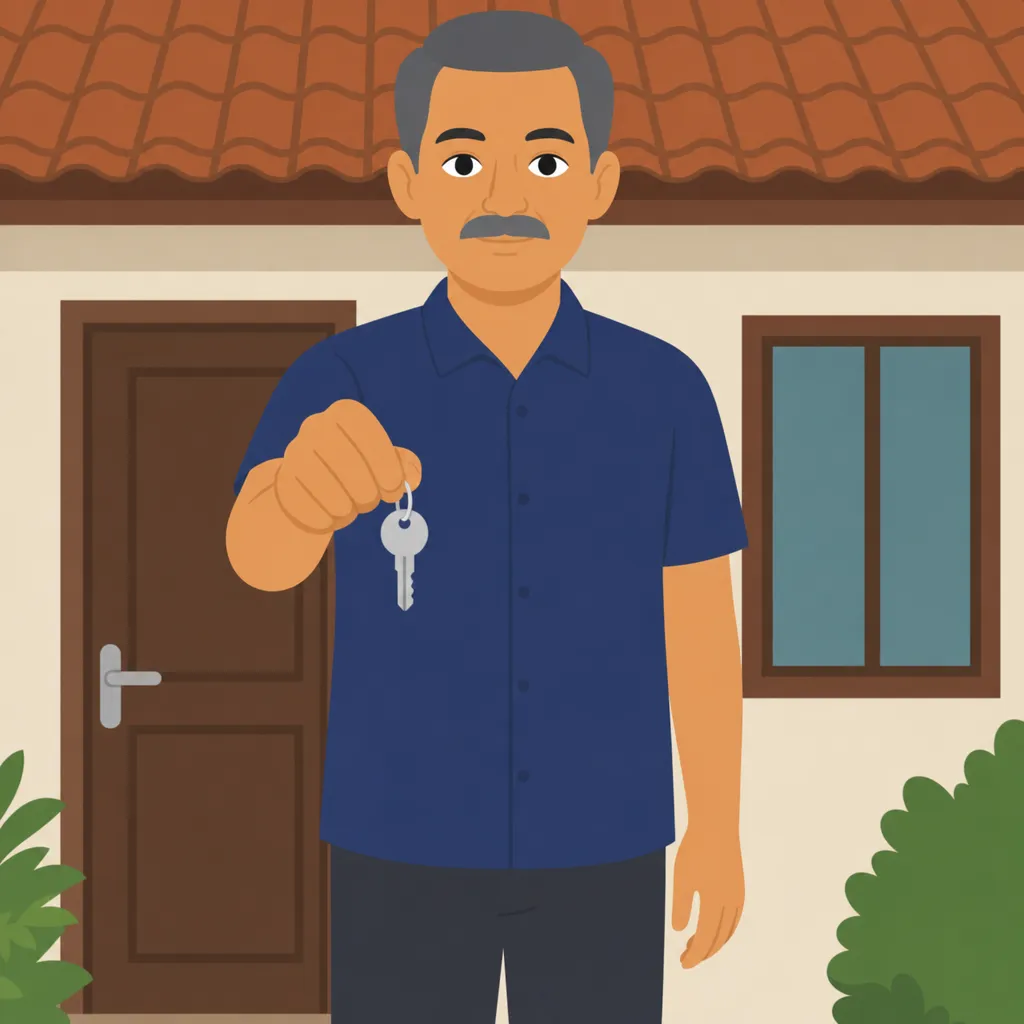 Kos is a rented room, usually in a shared building, paid monthly. It is how most young
Indonesians and many foreigners live.
Kos is a rented room, usually in a shared building, paid monthly. It is how most young
Indonesians and many foreigners live.
Kontrak means renting a whole house, and it is usually paid a year in advance. This surprises people. Monthly payment for a house exists but costs more.
Saya mau sewa rumah. ‘I want to rent a house.’
Kontrak setahun berapa? ‘How much for a year?’
The question that matters
Sudah termasuk apa saja? ‘What’s included?’
termasuk listrik ‘electricity included’
termasuk air ‘water included’
termasuk wifi
Electricity is the one to check. In many rentals it is metered separately and paid by token, and a price that looked good stops looking good in a month with air conditioning.
Listrik bayar sendiri? ‘Do I pay the electricity myself?’
The rest of the vocabulary
kamar ‘room’
kamar mandi ‘bathroom’, literally ‘bathing room’
dapur ‘kitchen’
perabot ‘furniture’
kosong ‘empty, unfurnished’
lengkap ‘fully equipped’
Sudah ada perabot? ‘Is it furnished?’
Deposit and notice
Depositnya berapa? ‘How much is the deposit?’
Kalau keluar, harus bilang berapa lama sebelumnya? ‘How much notice do I need to give?’
Deposits are common and returned inconsistently. Photograph the state of the place when you move in, which is advice rather than vocabulary but worth more than either.
Bargaining applies
Rental prices are negotiable, especially for longer commitments, and especially outside the peak season.
Kalau setahun, bisa kurang? ‘If I take a year, can you do better?’
The bargaining language from A1 works unchanged here.
What you’ll actually hear
What the book says: Apakah harga tersebut sudah termasuk biaya listrik?
What you’ll hear: Udah termasuk listrik?