You met all three in A1 separately. Put together they form a system, and it is worth seeing whole because English has no equivalent.
The square
| positive | negative | |
|---|---|---|
| has happened | sudah ‘already’ | belum ‘not yet’ |
| is ongoing | masih ‘still’ | sudah tidak ‘not any more’ |
Four states, four words. English needs a full clause for three of them.
In practice
Sudah makan? ‘Have you eaten?’
Sudah. ‘Yes.’
Belum. ‘Not yet.’
Masih makan. ‘Still eating.’
Sudah tidak lapar. ‘Not hungry any more.’
Masih
Masih jauh? ‘Is it still far?’
Dia masih tidur. ‘She’s still asleep.’
Masih ada? ‘Have you still got any?’
That last one is how you ask whether something is still in stock, and it pairs with habis from the ada lesson.
Sudah tidak, the forgotten corner
Saya sudah tidak tinggal di sana. ‘I don’t live there any more.’
Sudah tidak ada. ‘There isn’t any left.’
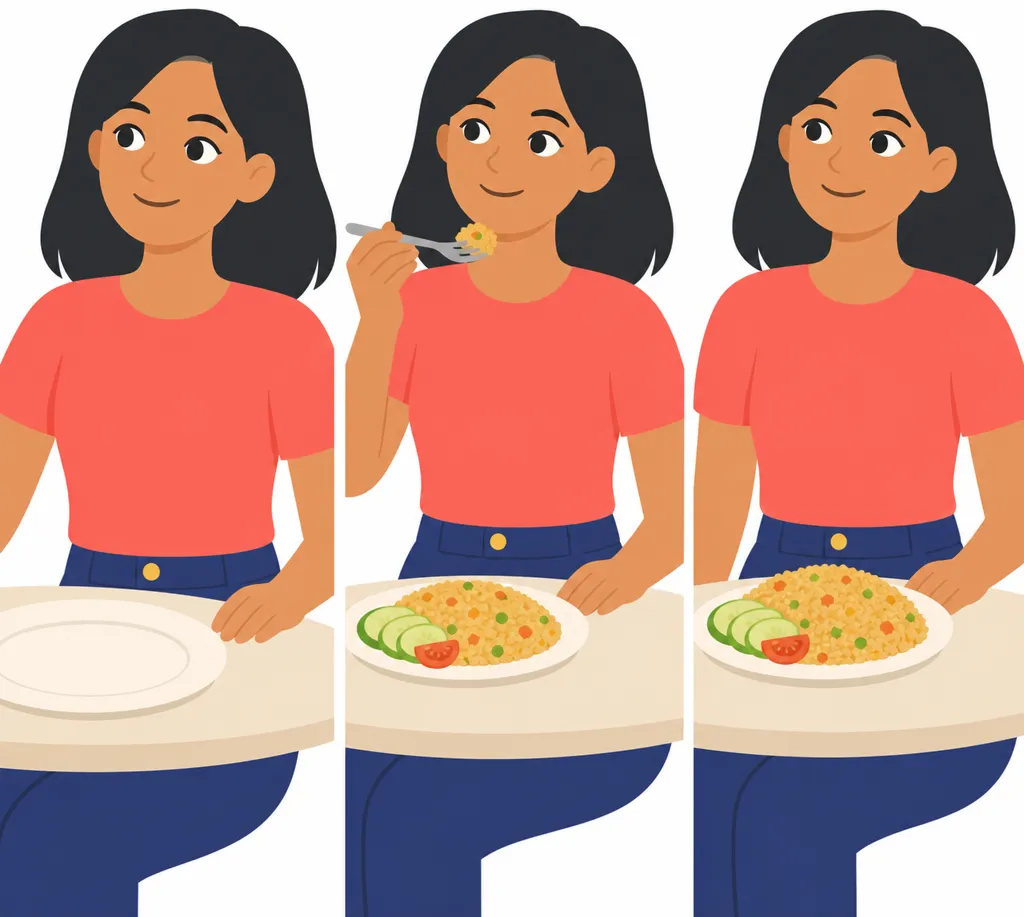
In speech this contracts hard: udah nggak, and often just dah nggak.
English speakers reach for tidak alone here, which says you never lived there. The sudah is what carries the “any more”.
The greeting version
Sudah makan? is asked constantly and is not really a question about food. It works like “how’s it going”, and sudah is a perfectly good answer whether or not you have eaten.
Answering with a genuine report of your last meal is a slightly foreign move, though a charming one.
What you’ll actually hear
What the book says: Apakah Anda sudah makan siang?
What you’ll hear: Udah makan? → Belum.