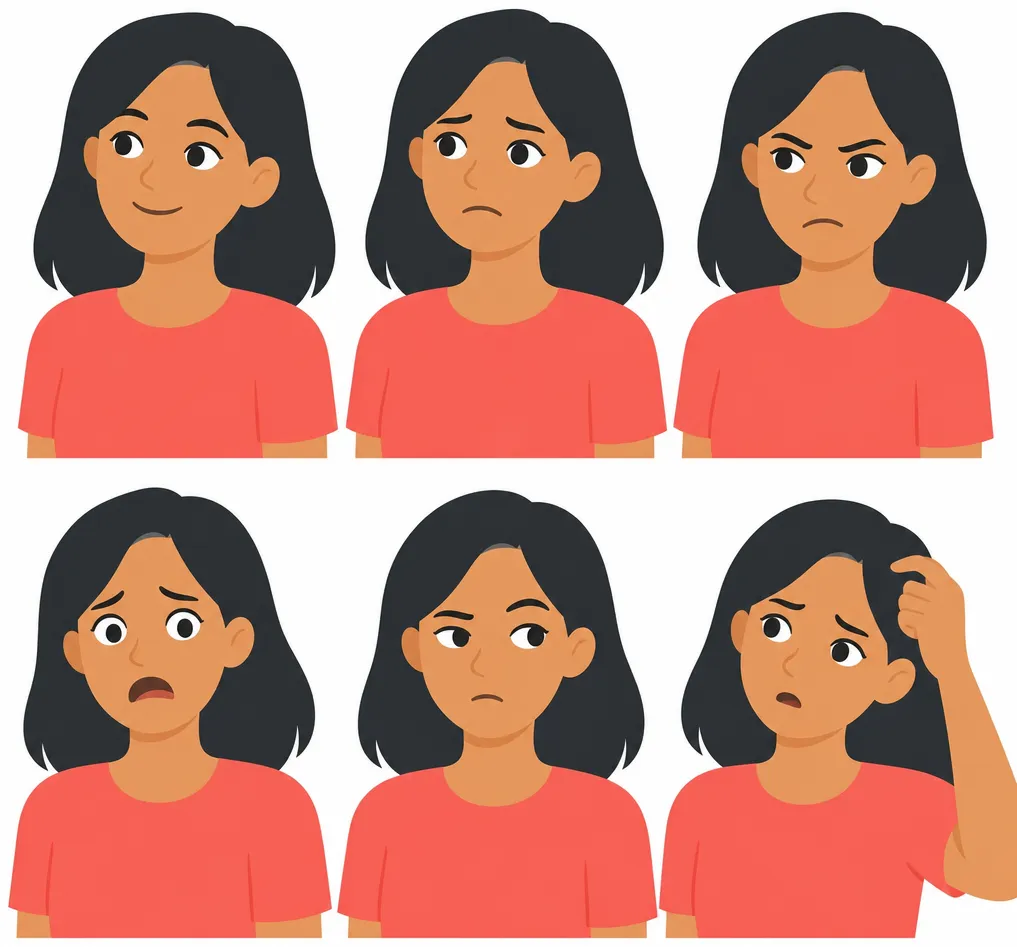
The list
senang ‘happy’
sedih ‘sad’
marah ‘angry’
takut ‘afraid’
kesal ‘annoyed’
bosan ‘bored’
bingung ‘confused’
kaget ‘startled’
lega ‘relieved’
No verb needed, as with any adjective.
Saya senang. ‘I’m happy.’
Capek banget. ‘Really tired.’
Two tireds
Capek is physically tired. Bosan is tired of something, bored, fed up.
Capek kerja. ‘Worn out from work.’
Bosan di rumah. ‘Fed up of being at home.’
English says “tired of” for the second and English speakers reach for capek, which says their body is tired rather than their patience.
Bingung
Bingung covers confused, at a loss, and unable to decide. It is used far more than the English “confused”, which sounds like an admission of failure.
Saya bingung mau makan apa. ‘I can’t decide what to eat.’
Nobody is embarrassed to say it.
Expressing it with feelings
Perasaan saya… ‘I feel that…’
Rasanya… ‘It feels like…’
Rasa means both taste and feeling, so rasanya enak is ‘it tastes good’ and rasanya aneh can be either ‘it tastes odd’ or ‘it feels odd’.
The intensifiers
banget after the adjective, casual and everywhere
sekali after the adjective, neutral
sangat before it, formal
Senang banget! ‘So happy!’
What you’ll actually hear
Indonesians tend to understate negative feelings with strangers and overstate positive ones with friends. Biasa saja ‘just ordinary’ from the A1 greetings lesson often covers a bad day.
What the book says: Saya merasa sangat lelah hari ini.
What you’ll hear: Capek banget hari ini.